Live Fire Cooking Techniques Beginners Actually Need (Skip the Fancy Gear)
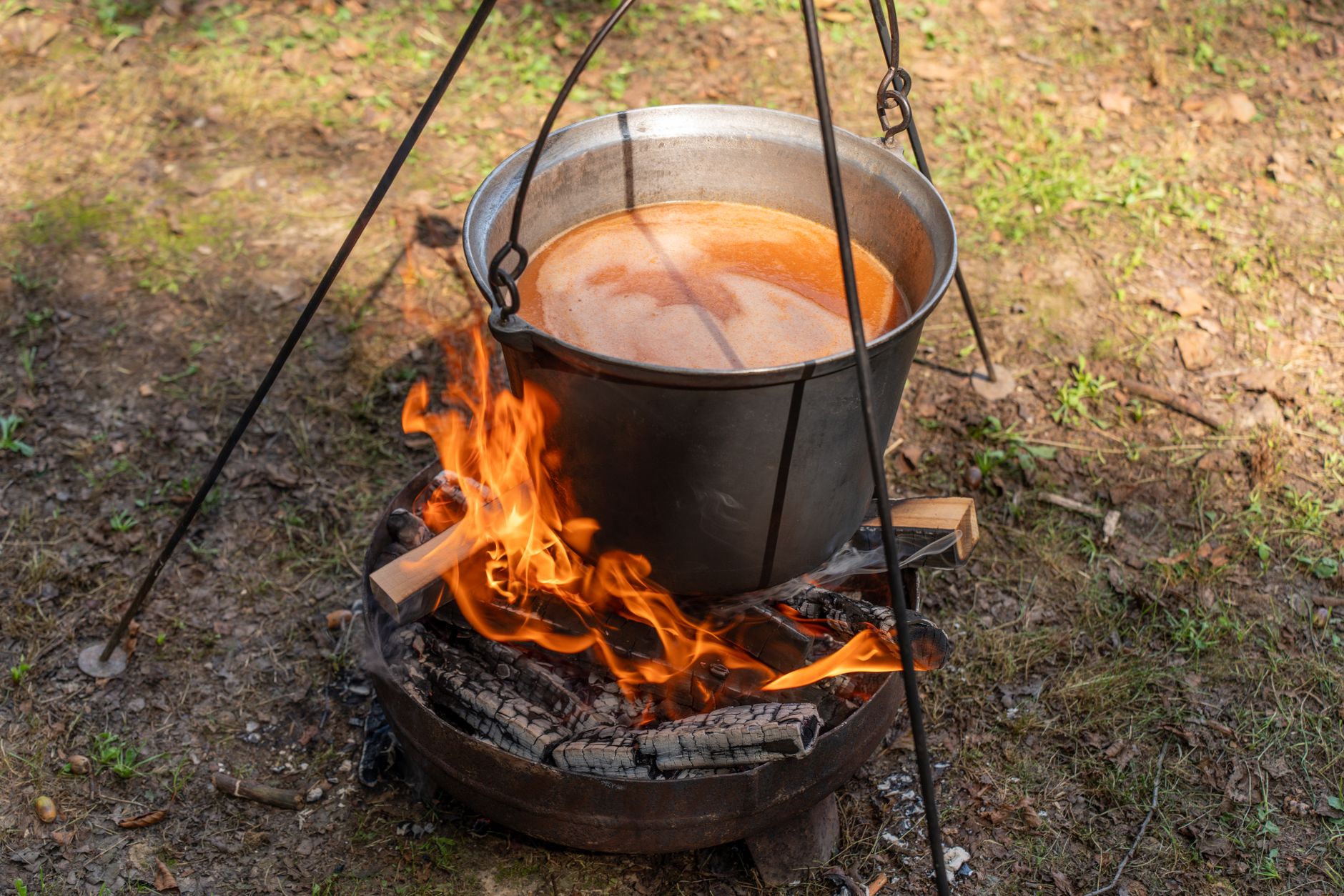
Steven Raichlen just dropped his 2026 barbecue crystal ball, and here’s the headline that matters for regular backyard cooks: live fire cooking is officially back in the spotlight. Not pellet-smoker-set-it-and-forget-it cooking. Not app-controlled precision. We’re talking actual flames, real wood, and the kind of technique that forces you to pay attention. Raichlen predicts this “return to primal” will define the next few years—but here’s the thing most trend pieces miss. You don’t need a $2,000 Argentine parrilla or hand-forged Japanese konro to start. The best live fire cooking techniques beginners can learn require almost no specialized equipment, just a basic understanding of how fire actually behaves.
I spent two seasons burning dinners, flare-ups, and my own eyebrows before live fire started clicking. This guide compresses everything I wish I’d known from day one.
Why “Live Fire” Isn’t Just Fancy Grilling Jargon
Let’s kill the intimidation factor first. Live fire cooking simply means you’re cooking with active, burning fuel—wood, charcoal, or both—rather than gas or electric heat. The fire is part of the process, not just a hidden heating element.
This distinction matters because live fire demands engagement. Gas grills hold steady temperatures with a knob twist. Live fire fluctuates, breathes, and changes based on airflow, fuel size, and weather. That variability isn’t a bug—it’s where flavor develops.
For beginners, this means two mental shifts:
- Stop chasing perfect consistency. A 25-degree swing is normal and often desirable.
- Learn to read your fire, not just a thermometer. The color of coals, the height of flames, and the sound of burning fuel all tell you what’s happening.
Raichlen’s 2026 trend piece emphasizes global fire traditions exploding in popularity—everything from South African braai to Lebanese mashawi. But every single tradition builds on the same foundational skills. Nail these, and you can cook anywhere.
The Two-Zone Fire: Your First Non-Negotiable Skill
If you learn one thing from this entire guide, make it this. A two-zone fire means one side of your grill holds hot, direct heat while the other side holds cooler, indirect heat. No special gear required—just pile your coals to one side, or bank them higher in one area.
Here’s why beginners struggle without it:
| Scenario | Two-Zone Solution |
|---|---|
| Chicken skin burning before interior hits 165°F | Start indirect, finish direct for crisping |
| Thick steaks with gray exterior, raw center | Sear over hot coals, move to cooler side to finish |
| Flare-ups from dripping fat | Immediate escape route to indirect zone |
| Vegetables needing different cooking speeds | Hot side for quick char, cool side for gentle softening |
Specific setup: For a standard 22-inch kettle grill, pour lit charcoal across exactly half the coal grate—about 50-60 briquettes or equivalent lump charcoal. Leave the other half completely empty. Place your food grate on, lid off for direct searing, lid on for indirect roasting.
I cook 90% of my live fire meals on this setup alone. Master it before buying anything else.
Fuel Choice: Start with Lump Charcoal, Not Wood
Beginners often assume “authentic” live fire means cooking over split logs immediately. Don’t. Wood fires are harder to control, burn faster, and require constant attention that frustrates new cooks.
Lump charcoal—real wood that’s been burned down to carbon in a low-oxygen environment—is your training wheels. It lights faster, burns predictably, and still delivers wood-fired flavor. Look for hardwood lump (oak, hickory, mesquite) with no additives.
Beginner fuel rules:
- Avoid “instant light” briquettes with chemical starters embedded; they leave petroleum flavors
- Skip flavored briquettes entirely; add actual wood chunks or chips for smoke
- Buy 8-10 pound bags to start; you’ll experiment more without the pressure of “saving” fuel
Once you can hold a two-zone fire steady for 90 minutes on lump charcoal, then experiment with adding wood chunks for extra smoke, or try a small wood fire in a separate pit.
The 5-Second Hand Test: Ditch the Gadget Dependency
Thermometers help, but over-reliance on them slows your fire-reading development. Here’s the old-school check I still use every cook:
Hold your bare hand palm-down about 4 inches above the cooking grate. Count how long you can keep it there:
- 2-3 seconds: High heat (450-550°F). Searing zone. Steaks, quick vegetables.
- 4-5 seconds: Medium heat (350-450°F). General grilling. Chicken pieces, sausages, most vegetables.
- 6-7 seconds: Medium-low (250-350°F). Indirect cooking, slower roasting.
- 8+ seconds: Low heat or fire dying. Adjust vents or add fuel.
This test trains you to feel heat differences rather than just reading numbers. On breezy days, I still trust this more than my dome thermometer, which reads air temperature above the grate, not the actual radiant heat hitting my food.
Timing and Lid Management: The Hidden Variable
Live fire beginners obsess over temperature. They should obsess over lid position instead.
Lid on = convection oven. Heat circulates, cooking more evenly, but flames suffocate slightly and temperatures drop. Use for thick cuts, indirect cooking, or when you need to slow things down.
Lid off = direct broiling. Maximum heat on the exposed surface, but no top-down cooking. Use for thin steaks, quick-searing, or when you want to watch for flare-ups actively.
The 70/30 rule I teach: For most mixed meals, cook 70% lid-on (indirect or slower direct), 30% lid-off (active management, searing, or monitoring). This ratio prevents the two classic beginner disasters: burnt exteriors from too much direct exposure, and pale, steamed results from leaving the lid on too long during high-heat phases.
Building Your First Fire: A 20-Minute Countdown
Here’s the exact sequence I use for weeknight live fire cooking:
- T-minus 20 minutes: Fill chimney starter to rim with lump charcoal. Place two paraffin starter cubes underneath, light both. Leave on concrete, metal, or fire-safe surface—never flammable decking.
- T-minus 15 minutes: Coals glowing orange with gray edges starting. Prepare food, oil grates, set up tools.
- T-minus 10 minutes: Dump coals into grill, arrange for two-zone. Place cooking grate, cover with lid, open top and bottom vents fully.
- T-minus 5 minutes: Grate preheating. Clean with wire brush. Check heat with hand test.
- T-minus 0: Start cooking. Charcoal is at peak heat, most stable phase.
Total active time managing the fire itself? About 4 minutes. The rest is just waiting for chemistry to happen.
Conclusion: Start Small, Cook Often, Build Confidence
Live fire cooking techniques beginners need aren’t complicated—they’re just different from the set-and-forget habits gas grills encourage. The 2026 trend toward primal, hands-on fire cooking isn’t about nostalgia or performance. It’s about food that tastes unmistakably better because you managed the transformation, not an algorithm.
Begin with lump charcoal and a two-zone setup. Learn the hand test. Practice lid management. Cook twice a week for one month, and you’ll internalize more than any article can teach.
The gear upgrades can come later. The fire-reading intuition? That only builds through repetition. Light something tonight.