Jamie Oliver BBQ Techniques 2026: The British Chef's Fresh Take on Modern Grilling
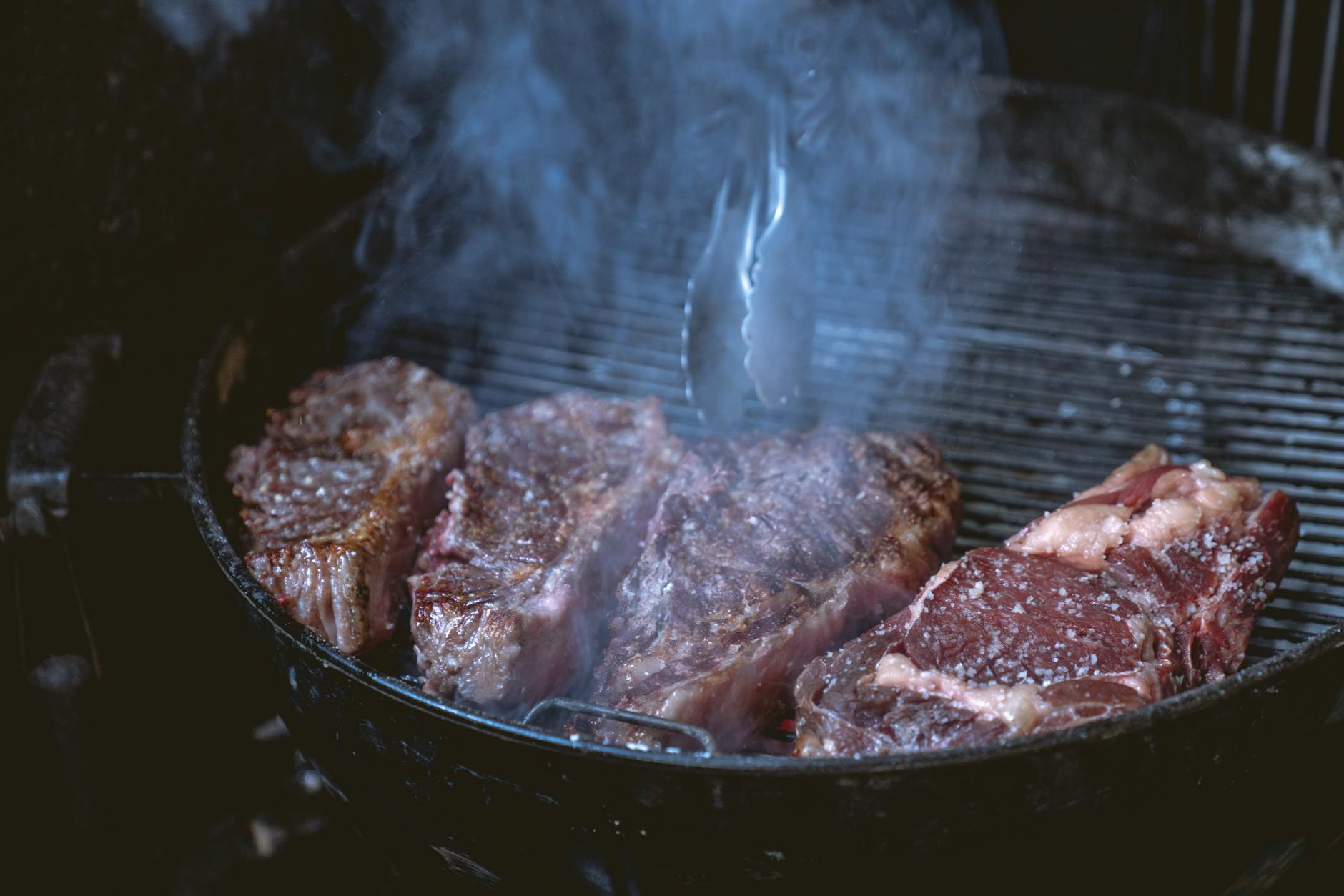
The barbecue world is shifting fast. Steven Raichlen’s 2026 predictions point to hyper-local sourcing, fire-forward minimalism, and global spice routes colliding with backyard tradition—and nobody embodies that collision better than Jamie Oliver right now. While Raichlen sees the trend, Oliver’s already cooking it. His recent “Easy Grilling, Big Flavour” philosophy strips away gadget obsession and returns to what actually matters: heat control, ingredient respect, and techniques that translate across charcoal, wood, and even humble gas setups.
If you’re searching for jamie oliver bbq techniques 2026, you’re not looking for another celebrity cookbook recap. You want actionable methods that work in real backyards, with real time constraints, and real flavor payoff. Here’s what’s actually worth stealing from his current approach.
Why Oliver’s 2026 Method Differs from Old-School BBQ Doctrine
American barbecue tradition worships the stall, the wrap, the 12-hour brisket vigil. Oliver’s 2026 playbook deliberately breaks from that. He’s borrowing from Mediterranean and Middle Eastern live-fire traditions—shorter cooks, higher interaction with the flame, and proteins that spend more time in marinades than they do on the grates.
The result? A “hot-and-fast-with-intention” style that respects fire without being imprisoned by it.
Key distinctions from classic low-and-slow:
- Proteins are rarely naked going on: 2-24 hour marinades using yogurt, citrus, or miso bases create exterior caramelization buffers that prevent burning
- Direct heat is the default, not the exception: Even chicken thighs get initial sear marks before moving to indirect zones
- Resting happens in flavored environments: Meats rest on herb branches, citrus halves, or warm spiced oil rather than bare cutting boards
This isn’t lazier barbecue. It’s decision-dense barbecue—every minute counts, and prep work does the heavy lifting.
The “Layered Fire” Technique Oliver Keeps Pushing
Oliver’s most repeated 2026 grilling tip? Build your fire like you’re making a cocktail—distinct elements that blend on the palate.
His three-zone “layered fire” breaks down practically:
Zone 1: The Sear Slap (hottest, directly over coals)
- 2-3 minutes max per side for proteins
- Used for: initial crusting, charring vegetables, crisping skin
- Oliver’s twist: he often oils the protein, not the grate, using flavored oils (smoked garlic, chili, herb-infused) that burn aromatically rather than stick
Zone 2: The Conversation Zone (medium, edges of coal bed)
- Where food finishes, where you actually talk to guests without panic
- Used for: bringing chicken to temp, softening charred vegetables, toasting breads
- Technique: frequent movement, almost restless, preventing any single hotspot from dominating
Zone 3: The Hold and Smoke (farthest, minimal direct heat)
- Not true “cold smoking”—more like warm ambient finishing
- Used for: resting meats that continue gently, melting fats in sausages, infusing smoke into already-cooked items
The magic happens in transitions. Oliver moves food between zones repeatedly, building exterior complexity rather than one-note char. A butterflied leg of lamb might hit Zone 1 four times, Zone 2 twice, Zone 1 again for a final crust—each movement adding a new flavor layer.
Marinade Science: The Oliver 2026 Formula
Oliver’s 2026 marinades follow a repeatable ratio he’s demonstrated across multiple platforms. Understanding the why lets you improvise confidently.
The 4-Part Structure:
| Component | Function | Oliver’s 2026 Favorites |
|---|---|---|
| Acid (25%) | Tenderizes, brightens | Pomegranate molasses, yuzu, preserved lemon |
| Fat (25%) | Carries fat-soluble flavors, prevents sticking | Rapeseed oil, tahini, brown butter |
| Aromatics (35%) | Primary flavor identity | Miso, harissa, black garlic, sumac |
| Sweet (15%) | Balances, aids caramelization | Date syrup, apple juice, reduced cola |
Critical timing: Oliver’s 2026 advice flips old rules. For fish and shellfish, he now recommends shorter marinades—20-45 minutes—preventing acid from “cooking” delicate proteins. For dense meats like lamb shoulder or beef short ribs, he pushes longer—up to 48 hours in the refrigerator, with the marinade refreshed once.
His viral 2025 “miso-honey chicken” evolved in 2026 to include double-marinading: initial savory overnight, then a thin fresh glaze applied in the final 10 minutes of grilling. The technique creates distinct flavor strata rather than homogeneous sweetness.
The “Waste Nothing” Fire: Sustainability as Technique
Oliver’s 2026 content increasingly frames sustainable grilling not as restriction but as creative constraint. This aligns with Raichlen’s prediction that 2026 barbecue will reject disposable convenience.
Practical applications:
- Herb stems as brushes: Rosemary, thyme, and oregano thick stems, stripped of leaves, become natural basting brushes that deposit flavor while working
- Citrus “bowls” for basting: Halved oranges, limes, or lemons hollowed slightly hold melted butter or oil near the fire, warming and infusing simultaneously
- Bread as a tool: Stale sourdough rubbed with garlic becomes a grate-cleaner and flavor-layer in one; Oliver grills it hard, then pulses into smoky breadcrumbs
- Ash utilization: Wood ash from clean hardwoods (oak, fruit woods) gets sifted into finishing salts or mixed with water for vegetable scrubbing
The technique that surprised home cooks most this year: grilled water. Oliver simmers stock, wine, or even plain water in cast iron directly on the grill, capturing smoke flavor for later soups, grains, or braises. It’s not showy. It extracts maximum value from every fire.
Equipment Minimalism: What Oliver Actually Uses in 2026
Despite sponsorship opportunities, Oliver’s 2026 demonstrations consistently return to a short, opinionated equipment list:
Non-negotiables:
- One quality chimney starter (no lighter fluid, ever)
- A 12-inch cast iron skillet or plancha that lives on the grill
- Long, spring-loaded tongs (he specifies 16-inch for safety)
- A digital instant-read thermometer (he’s moved away from “feel” advocacy for food safety consistency)
Deliberately absent:
- Pellet smokers (“brilliant for some, but I want to tend fire”)
- Automatic rotisseries (“the conversation zone technique replaces this”)
- Elaborate smoker boxes for gas grills (“just use the cast iron with wood chips”)
His gas grill concession? A cast iron diffuser plate over the burner, creating more even radiant heat and reducing the “hot strip” problem that ruins so many home-cooked steaks.
Conclusion: Making Jamie Oliver BBQ Techniques 2026 Work in Your Backyard
The through-line of jamie oliver bbq techniques 2026 isn’t about copying his exact recipes. It’s adopting his decision framework: prep intensively so cooking stays social, move food constantly between heat zones, and treat fire as an ingredient to be extracted fully rather than merely a heat source.
Start this weekend. Build the three-zone fire. Marinade something for 24 hours using the 4-part ratio. Grill water while you’re at it. The techniques reward repetition—you’ll feel the difference by your third cook, and your guests will taste it immediately.
The 2026 barbecue evolution isn’t about more equipment, more time, or more complexity. Oliver’s proving it’s about more intention. That’s something any backyard can execute.