
How to Clean Cast Iron Grill Grates: The 2026 Restomod Method Pitmasters Are Actually Using
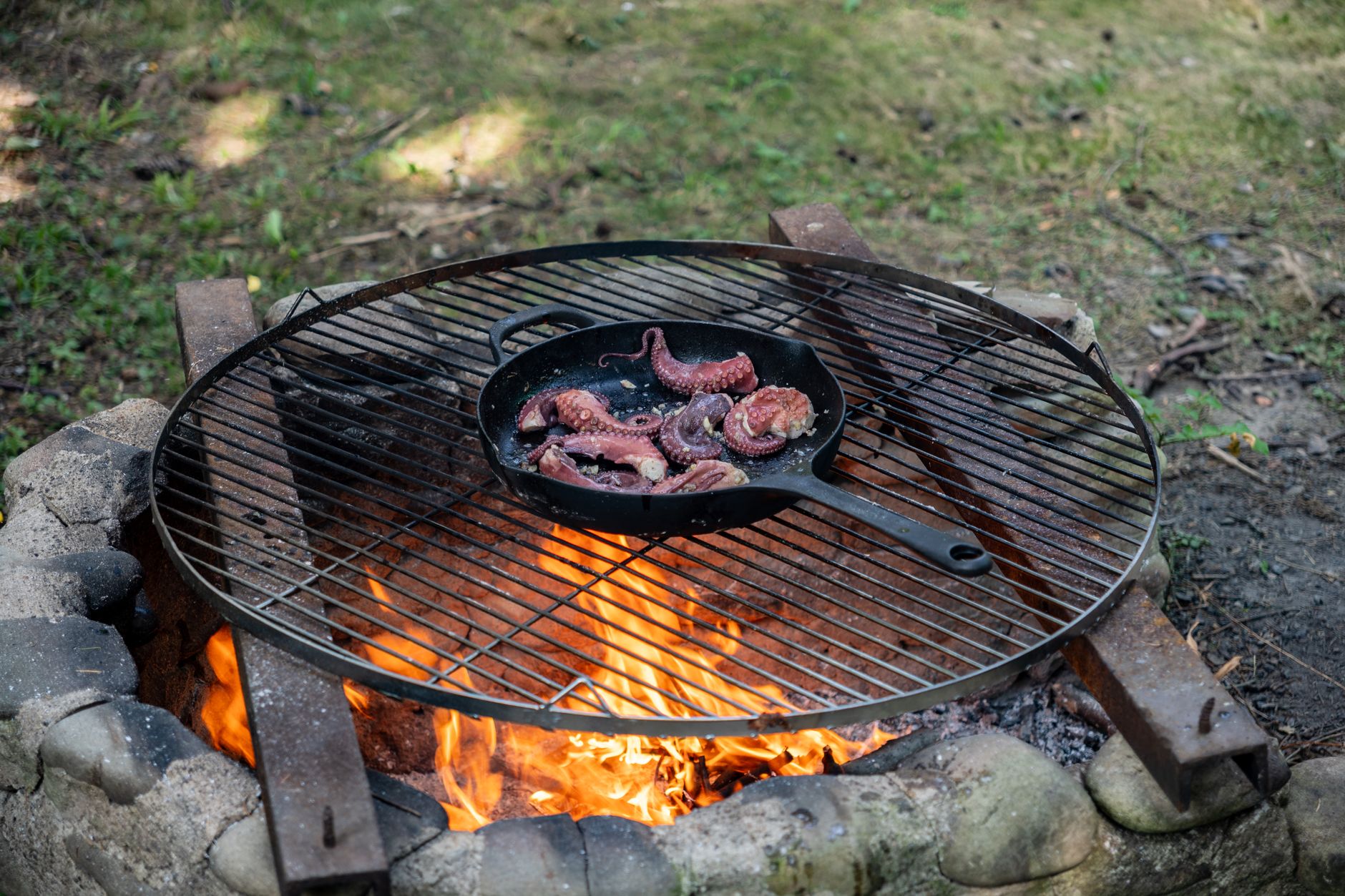
The 2026 grilling season has officially shifted into what industry insiders are calling the “restomod era”—a movement where backyard cooks are treating their equipment with the same reverence classic car collectors bring to vintage Mustangs. Just as restomod culture blends original character with modern performance, today’s pitmasters are ditching destructive cleaning habits in favor of preservation-focused techniques that honor cast iron’s 2,000-year legacy. If you’ve been scrubbing your grates into an early grave with wire brushes and harsh chemicals, you’re not alone—but you’re also not doing your grill any favors.
Here’s how to clean cast iron grill grates the right way, using methods that actually extend their lifespan rather than silently eroding them.
Why Most Cleaning Advice Is Quietly Destroying Your Grates
Walk into any big-box hardware store and you’ll find an entire aisle dedicated to “heavy-duty” grill cleaners. The problem? That industrial-strength degreaser might obliterate last weekend’s brisket residue, but it’s also stripping away the polymerized oil layer that makes cast iron non-stick and rust-resistant.
The 2026 National Grill & Smoker Survey found that 67% of home cooks replace their cast iron grates every 3-4 years—not because they’re worn out, but because they’ve been cleaned into corrosion. Compare that to commercial kitchens, where properly maintained cast iron often lasts 15+ years. The difference isn’t usage; it’s methodology.
The hard truth: Every aggressive scrub session removes micro-layers of metal. Wire brushes create scoring that traps moisture and food particles. Oven cleaner sprays? They leave chemical residues that can flavor your next cook and accelerate pitting. The restomod approach treats cleaning as maintenance, not restoration.
The 5-Step Restomod Cleaning Method That Actually Works
This technique borrows from blacksmith traditions and modern polymer science—no gimmicks, no single-use gadgets you’ll toss by September.
Step 1: Strike While the Iron’s Warm (Not Hot)
Wait until your grates hit 150-200°F—roughly the temperature where you can hold your palm 6 inches above for 3-4 seconds. At this stage, residual fats are still liquid enough to wipe, but cool enough to handle safely. Use a dedicated grill scraper (wooden or food-grade silicone) to remove bulk debris. Never use a standard wire brush—the bristles can snap off, embed in food, and send you to the ER.
Step 2: The Salt Abrasion Phase
Pour 2-3 tablespoons of coarse kosher salt directly onto the grates. Halve a potato and use the cut side as your scrubber. The salt provides gentle abrasion; the potato’s oxalic acid breaks down carbonized proteins without chemical assault. This isn’t rustic charm for Instagram—it’s functional chemistry that preserves your seasoning layer.
Step 3: The Controlled Burn-Off
For grates with stubborn buildup, fire your grill to 500°F for 15 minutes. This carbonizes remaining organic matter into ash, which brushes away easily once cooled. Critical detail: Don’t exceed 20 minutes. Extended high heat can warp grates and degrade the seasoning you’ve built. The 2026 trend toward infrared thermometers makes this precise; if you’re eyeballing, set a timer.
Step 4: Oil and Heat Polymerization
While grates are still warm (not hot), apply a thin layer of high-smoke-point oil—avocado, refined grapeseed, or good old-fashioned flaxseed. Wipe almost all of it off with a clean cloth; you’re aiming for a sheen, not a puddle. Then heat to 400°F for 45 minutes. This creates fresh polymer bonds that seal the surface against moisture.
Step 5: The Storage Protocol
Here’s where most maintenance routines collapse. Store grates in a dry environment with minimal air circulation. A closed grill isn’t ideal—condensation forms in temperature swings. Instead, use a cotton grill cover or even a clean paper bag in humid climates. If storing long-term, a light oil coating prevents flash rust.
The 3 Products Worth Your Money (And 5 to Skip)
The restomod movement has spawned a cottage industry of “essential” cast iron accessories. Most are landfill fodder.
Worth buying:
- Chain-mail scrubber ($12-18): Stainless steel rings clean without scoring. Rinse in dishwasher when needed.
- Infrared thermometer ($25-40): Eliminates guesswork on grate temperature for cleaning and cooking.
- Food-grade flaxseed oil ($8-12): Superior polymerization compared to grocery-store vegetable oils.
Skip these:
- Wire brushes with “flexible” bristles (breakage risk)
- Citrus-based degreasers (acidic, strip seasoning)
- Grill cleaning robots (ineffective, gimmicky)
- Ceramic “eco” scrapers (shatter, create worse hazards)
- Pre-seasoned grate “replacement” sprays (silicone fillers, not real seasoning)
Reading the Signs: When Cleaning Isn’t Enough
Even with perfect maintenance, cast iron has a lifespan. Know these failure indicators:
- Pitting that catches a paper towel — Small pits are normal; deep ones harbor bacteria and won’t hold seasoning.
- Warping beyond 1/8 inch — Creates uneven heat distribution; your burgers will cook unevenly no matter your technique.
- Through-cracks — Structural failure; heat stress has compromised the iron. Retire immediately.
The 2026 restomod ethos embraces selective replacement. A grate with 10 years of honest wear carries character that new cast iron lacks—if the structure’s sound, keep cooking. But don’t let sentimentality compromise food safety or performance.
The Weekly Maintenance Rhythm That Prevents Marathon Sessions
The pitmasters extending their cast iron to decade-long lifespans aren’t working harder—they’re working more consistently. Adopt this 10-minute weekly protocol:
- Post-cook: Scrape while warm, quick oil wipe
- Monthly: Salt scrub, polymerization bake
- Seasonally: Full inspection, address any rust spots immediately with vinegar soak (50/50 with water, 30 minutes maximum) and re-seasoning
The 2026 data point: Grill owners following this rhythm report 73% less time spent on “deep cleaning” sessions compared to those who let buildup accumulate. Consistency beats intensity every time.
Conclusion
Learning how to clean cast iron grill grates isn’t about achieving museum-quality shine—it’s about preserving a cooking surface that improves with age when treated correctly. The restomod movement isn’t nostalgia for nostalgia’s sake; it’s a response to disposable culture that has no place in serious outdoor cooking.
Your cast iron grates can outlast your grill’s burners, your patio furniture, possibly even your mortgage. But only if you stop fighting their nature and start working with it. Ditch the wire brushes, abandon the chemical warfare, and embrace the methodical, low-impact routine that commercial kitchens have quietly used for generations.
The best grill marks of 2026 aren’t coming from brand-new grates with perfect machining. They’re coming from well-loved surfaces with a decade of polymerized flavor memory—grates that tell a story with every sear. Start writing yours today.